
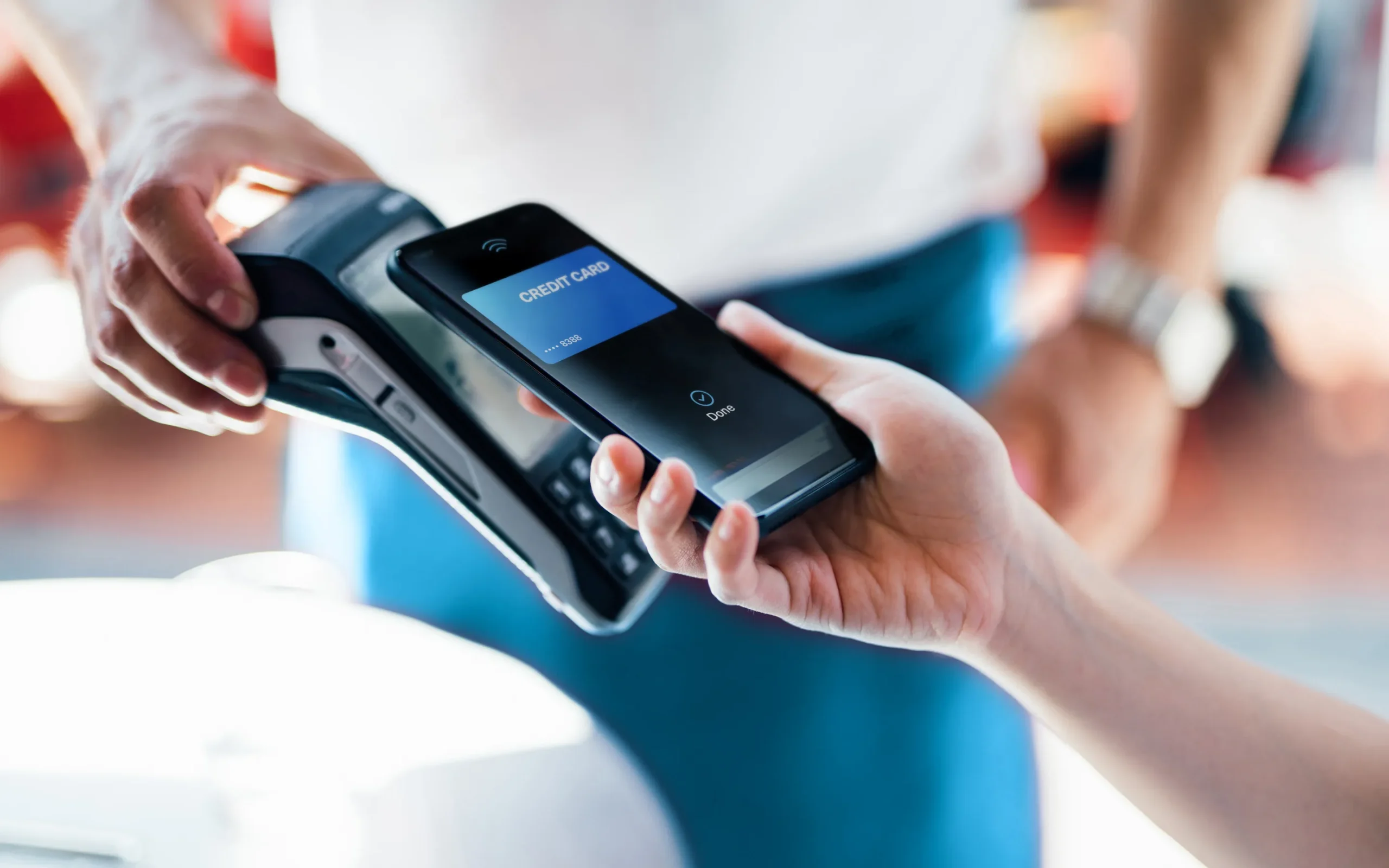
Fee hyperlinks create a seamless checkout experience for customers. Merchants can ship fee hyperlinks through digital invoices, emails, SMS messages, social media posts, or various other channels. Clients click the hyperlink and are transported to a payment gateway to complete the transaction. From time to time, clients can pre-store credit card details to facilitate a one-click checkout system.
Clients prefer credit cards because of their convenience. Fee-free links simplify the charge method, making it even simpler to finish credit card transactions. In doing so, fee hyperlinks assist agencies’ growth conversion charges and reduce overdue payments. This guide explores charge links, their benefits, their disadvantages, how to install new charge links for your commercial enterprise, and a number of related topics. Read beforehand to analyze more approximately one of the exceptional-converting payment techniques to be had to traders!
Defining link payments
A charge hyperlink is a virtual URL link that redirects clients to an easy charge gateway. Merchants can ship fee hyperlinks via email, invoice, SMS, social media posts, or various communication methods.Feee hyperlinks may be custom-designed based on the transaction. On occasion, they are patron-precise, with a pre-described quantity already set when the purchaser reaches the charge portal. In other instances, fee links permit customers to enter the amount they wish to pay or choose precise services or products. This versatility makes charge hyperlinks a powerful tool for simplifying and streamlining the payment procedure.
What’s a hyperlink payment, and how Do They paintings?
So, what’s a charge link? A payment hyperlink is a URL hyperlink that redirects customers to a cozy payment gateway. Merchants can send charge hyperlinks through SMS messages, emails, social media posts, advertising materials, QR codes, and more. Let’s break down understanding how price hyperlinks work step by step:
1. The patron receives a fee hyperlink
First, a service provider sends a customer a charge link through SMS, e-mail, customer service chat, or another conversation channel. The hyperlink may be accompanied by textual content explaining its purpose, such as a message about paying an exquisite bill.
2. The client clicks the link
Subsequent, the patron clicks the hyperlink and is redirected to a fee gateway. The gateway makes use of encryption to ensure a secure connection between the consumer and the merchant’s credit card processor.
3. The customer inputs credit card information to finish the charge
Once the charge gateway is reached, the consumer inputs their credit card details to complete the fee. This often includes billing statistics, together with purchaser calls and billing issues. In some cases, the payment gateway allows the customer to keep price information for future use, getting rid of the need to re-enter information for repeat purchases.
4. The charge is transferred to the service provider and recorded internally
. Lastly, the money from the transaction transfers to the enterprise’s merchant account. A document of the charge is recorded internally, and in most instances, the client receives a receipt through text or email to verify the charge.
What type of Transaction is recorded while a client pays through a price hyperlink?
When a purchaser pays the usage of a fee hyperlink, it is treated in addition to any other kind of credit card transaction: it is recorded asana income receipt. A fee link doesn’t have a separate function from a traditional credit card transaction. Customers click on the link and are directed to a payment gateway to enter their credit card info — it’s just like aany onlineprice. There is no difference between charge hyperlinks and conventional credit card transactions.
link payment blessings
Orice hyperlinks offer a variety of advantages to eachmerchants and client. A llow’ss discover the pinnacle advantages of this price method underneath:
1. Price convenience
First andforemostt, fee links provide comfort to a service provider’s clients. By sending a link immediately linked to a fee gateway, merchants make certain their customers canenter thee fee in seconds. The patron no longerwantst to log into an account, send cashthroughu an ACH switch, or perform other time-consuming efforts to settle the transaction. Fee hyperlinks are a patron-friendly tool.
2. Security
Over-the-cellphone and e-mail bills require clients to reveal touchy charge information to a body of workers member, creating safety vulnerabilities. Many customers select the security of an encrypted payment gateway (available via a charge link).
3. Customization
Many payment hyperlink providers make it easy to customize the checkout process. Traders can lay out the checkout portal to include emblems, custom branding, coloration schemes, and more. In doing so, merchants manage the checkoutprocessn frombeginningn to completion.
4. Pre-stored price info
Some charge link structures permit customers to keep charge information for future use. In doing so, clients aren’t required to re-enter card numbers or billing addresses, streamlining the transactionprocessrResearchch information that sixty two% of customers generally tend to abandon purchases if the charge system exceed minutes, so pre-saved price informationise a primary asset to merchants.
5. Quicker bills
Ultimately, all of the formerly cited benefits cause the number one gain of using fee hyperlinks: faster bills! As a commercial enterprise, making sure all excellent invoices are paid directly is vital. Studiess expertise that invoicesdispatchedd with digital charge hyperlinks are paid 3 times quicker on average. Streamlining the fee technique with hyperlinks enables agencies to benefit from stepped forward coins drift and financial stability.
Risks of link billsEven
Even as payment hyperlinks provide a variety of benefits to merchants and clients, there are some downsides related to this fee approach:
1. Fraud publicity
As with all card-not-present transactions, payment linksexposee corporations to fraud.Whilst payment hyperlinks direct clients to encrypted fee gateways, which aremore securee than over-the-telephone and email payments, there are nonetheless vulnerabilities. Namely, because the client does not need to offer the physical card to complete the transaction, scammers can use payment hyperlinks to enter stolen credit card info . Consequently, it’s essential to apply fraud prevention equipment, such as two-factor authentication (2FA) and address verification, to identify scammers.
2. Higher processing costs
As card-now not-gift transactions are a higher risk for traders and charge processors, they generally come at a higher fee. Payment hyperlinks normally deliver higher credit card processing fees than in-person credit card transactions. Likewise, they’re moresteeply pricedd than conventional bill price alternatives, along with ACH transfers.
3. Ability for impersonation
Criminals might also spotan possibility if your enterprise automatically sends customers fee hyperlinks. Scammers may additionally ship fraudulent price hyperlinks, impersonating your employer and inspiring clients to complete bills. While this staysoutsides of a merchant’smanipulatione, it nonetheless displays poorly on their commercial enterprise if customers fall victim to scammers.Itt is important to screen for potential scams and warn customers if a 3rd birthday party tries to impersonate your enterprise.
Steps to putting in place a hyperlink charge web page
If you’re ready to harness the electricity of price hyperlinks, it’s time to set up a price link page on your enterprise. Observe the steps below to get started with price hyperlinks:
1. Companionship with a fee company
First, you have to discover a charge issuer with payment hyperlink skills. It is vital toworks with a payment company that permits you to automate payment links. Automation is beneficial for billing customers and following up on late payments. Likewise, it’s excellent toworks with a payment provider that gives a complete suite of fee options, not just price links. Centralizing all your charge gear ensures that your reporting recordsstays in one location, simplifying the system of monitoring earnings and other key metrics.
2. Set up a payment link
Next, it is time to install a price link. Even as this technique will varydependingg on the price issuer, you’ll commonly have the option to customize charge amount, price limits, hyperlink expiry, and different information. For example, you could select to generate a price hyperlink that anyone can use to buy a product or generate a consumer-specific fee hyperlink to connect to an invoice.
3. Ship it to your patron
After you generate the link, it’s time to send itton your customer.In the case of invoice fee links, this can involve inserting the price link into your bill earlier than sending it to your purchaser. For different payment hyperlinks, it’s feasible to send the link through SMS, email, customer support chats, social media posts, and more!
4. Track metrics and reconfigure the payment link
Likewise, the merchant can reconfigure the price link at any time. This consists of turning off the price link, putting an expiry date at the payment link, or changing the sorts of payment techniques customary through the link.
Understandingknowknowledge Use payment links for creative marketing
Fee links provide a ripe possibility for creative advertising. Hyperlinks provide a subtle yet direct method for conveying price information in advertising campaigns. Let’ss explore 3 examples of the way price hyperlinks are precious for innovative advertising:
1. Include links in advertising substances
One way to use fee links for creative advertising and marketing is toincludef links in advertising materials. Whether it’s brochures, billboards, emails, or every other advertising channel, a price link makes iteasyn for a consumer to buy a product or service immediately.
2. Utilize links in social media campaigns
Fee hyperlinks are extremely beneficial for social media campaigns. Whether you are uploading a post on Instagram, growing a video for a Facebook ad, or carrying out any other social media outreach, you may include fee links to simplify the conversion process.
3. Use QR code hyperlinks at occasions
QR code links are a valuable tool for making it easy for clients to buy products or services at events. As an example, in case your business sponsors a tent at a neighborhood event, you may print QR codes onto your promotional materials to make it easy for clients to complete purchases or make donations.
Creating consumer-friendly, shareable charge links
Because the primary goal of charge links is to offer comfortton your customers, making them as client-friendly and shareable as possible is vital. Let’ss explore 5 strategies merchants can use to enhance consumer revenue with charge hyperlinks:
Price links on Social Media systems
While people ask, What’ss a payment link technique?” they may often refer to embedded social media charge hyperlinks. Many main social media structures, together withFacebookb and Instagram, now offer payment hyperlinks for eCommerce brands promoting services or products on their platforms. Payment hyperlinks simplify converting platform users to customers. As an example, Instagram gives quite a numberof in-app price link opportunities for merchants. Moreover, merchants can request paymentsthrough the use of Instagram fee hyperlinks in Instagram chats with clients. That is an excellent way to request direct payments if you’re chatting to a consumer about services or products. Discover all of the price hyperlink possibilities available for your number one social media channels.